Friday, April 29, 2011

Elements of the Best House Insurance


For most homeowners, the home is their most valuable investment. As such, most homeowners like to have the best possible protection on the home. The best house insurance can come with a little steeper price than most policies, but many consider it worth the extra money to make sure the home is adequately covered. There are a few specific things a homeowner needs to make sure they have with their policy to ensure they have the best house insurance.
The Best House Insurance is the HO5 Insurance Policy
The HO5 insurance policy is typically the best insurance policy a homeowner can buy. It comes with the broadest range of coverage for both the home and the personal property.  Of course the HO5 doesn't cover every single peril imaginable, but most homeowners would be very hard-pressed to find any insurance policy lesser than the HO5 that even matches, let alone exceeds, the range of coverage that is included in the HO5 insurance policy.

The Best House Insurance Includes All Water Protection
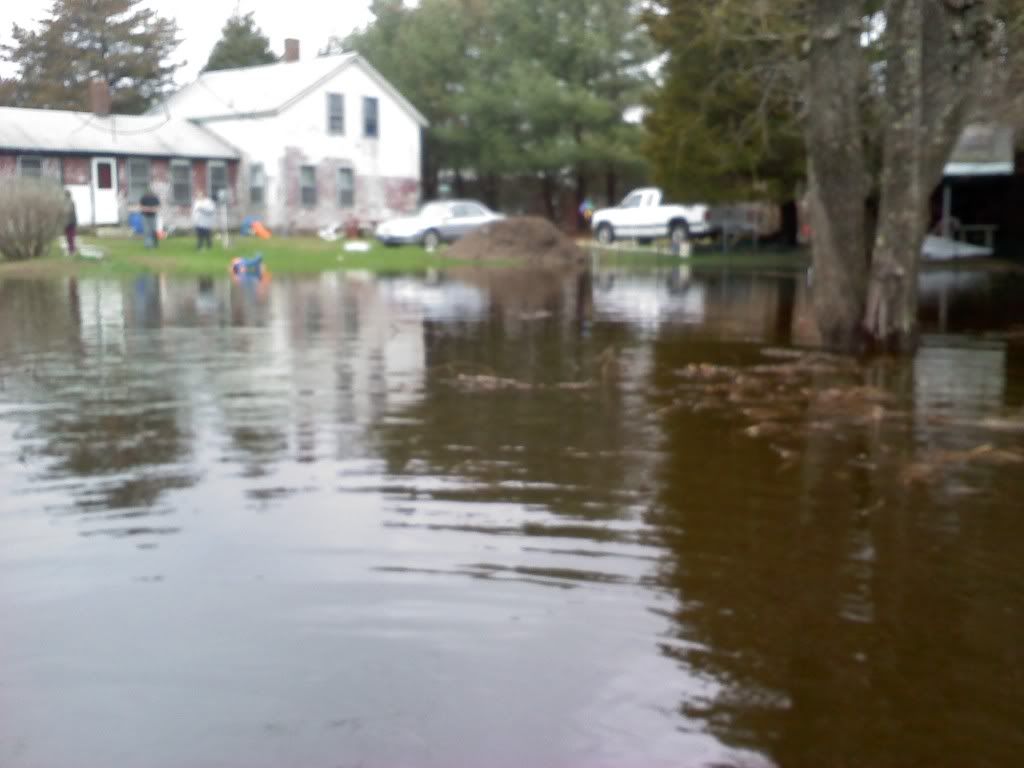
Home insurance policies typically never cover flood damage, but they will cover just about any other type of damage caused by water. The four standard types of water damage that can be purchased (or included in the policy) are: Sudden & Accidental, Continual Seepage, Backup, and Foundation.  These four water damages will cover a majority of water claims that you may need to file, and thus if a homeowner is looking for the best coverage, all water protections need to be endorsed onto the policy. Most HO5 policies will automatically include at least two of the four, and some even include all the water protections.
The Best House Insurance Schedules Valuables
Most homeowners that want the best insurance also have sentimental valuables that they would love to hold on to.  To schedule personal property means to specifically list it on the policy. Most belongings in an insurance policy have blanket coverage. If a homeowner schedules an item, the homeowner receives special protection for that item. Typically the homeowner doesn't have to pay the deductible if it gets damaged and is guaranteed to receive the exact value of the item. Some insurance companies will even cover a loss to a misplaced item if it is scheduled on the home insurance policy.

Growing Palm Trees

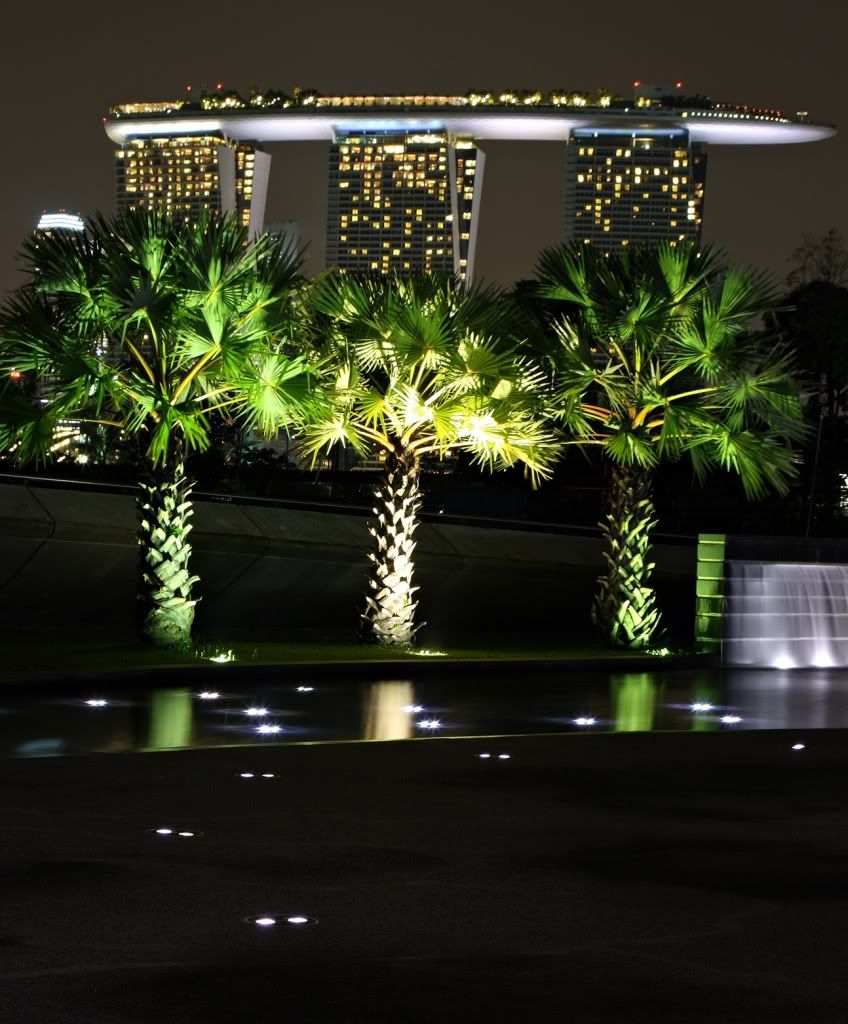
Palm trees grow best in the tropic areas and most of them do well where the temperature is above 59°C (59°F). However, there are some species of the palm tree that grow well in cold temperatures. Such species include the dwarf sugar palm and the Bismarck Palm that can grow in temperatures as low as -6°C (21° F). Before deciding to grow palms, you should research and ask around for its unique growing conditions. There are some types of palms like the coconut that cannot grow in cold weather.
Growing palms is becoming quite popular among households because of the fact that they require little maintenance. They do not shed off leaves and it does not take so much time to make them look good. Palms do not need any pruning. All that should be done is to remove the spent fronds to give it a neat look. If you are growing palms that produce suckers; such as the Medjool date, ensure that you cut the sucker away from the parent plant by chopping it out using a sharp object.
If you need to transplant palms, it should be done when the soil temperature is on the rise, especially during spring or early summer. This is because most of the palm trees have reduced root function in low temperatures. After transplanting, it is important that you water the transplanted tree to prevent it from drying out.

If you decide on growing palm trees from their seeds, you should be very patients as the seeds take a long while before germinating. To improve on the chances of the seeds germinating, you should peel off the fleshy covering and soak the seeds in tepid water for one day. Get rid of the ones that are floating and use the ones that sunk for planting. You should keep your palm warm in a green house or on a window sill. If the palm tree is grown, you can keep it warm by wrapping its trunk using bubble wrap and mulch it to protect the roots.
Growing palms can also be done indoors. You can have a palm inside your house or office to add a tropical feel and create elegance. When growing them indoors, you should avoid changing pots yearly so that the pot does not grow too large to be contained in the room. It could be tempting to trim the tip of the tree in an effort to control how tall it grows - this should never be done. Cutting the tip of growing palm trees would cause them to wither and die. If you decide to make your palm tree an indoor plant, do not expect it to produce flowers or reach full maturity, since most of the palm plants grow into full trees before they can produce flowers.
It is necessary that you buy required fertilizers for your palm trees. Growing palms have the tendency of developing yellow or brown fronds if they have a potassium deficiency. Therefore, you should use a fertilizer that has a rich concentration of potassium and manganese. You can also add mycorrhizal fungi to the soil to enrich it and promote fast growth of the palm trees.
More tips on growing palm trees and date palms
See another post

Related Posts Plugin for WordPress, Blogger...
Twitter Delicious Facebook Digg Stumbleupon Favorites More